Gear & Equipment / Recovery Tools
Best Foam Rollers for Runners: What to Look For
Density, surface, size, and construction decide whether a roller feels useful or just painful. This guide explains what the research says and how to match a roller to a runner.
MoweSport may earn a commission when readers buy through links on this page, at no extra cost to them. Commissions do not change what the article recommends.
The short version: Most runners are well served by a medium-density roller, roughly 18 to 36 inches long, with a smooth or lightly textured surface. Firmer and heavily textured designs apply more pressure and are better treated as a step up than a starting point. Research suggests foam rolling can modestly improve short-term range of motion and may ease muscle soreness after hard sessions, but it does not replace training, rest, or medical care (Cheatham et al., 2015; Wiewelhove et al., 2019).
Why foam rollers became standard gear for runners
Foam rolling is a form of self-myofascial release (SMR). The user places a cylinder of foam or hard plastic under a muscle group, shifts body weight onto it, and moves slowly along the muscle. Physical therapists and strength coaches used the technique for years before it moved into everyday running bags, and the reasons are easy to see: a roller is inexpensive, portable, and needs no appointment.
Running places the same muscles under repeated load. The calves, quadriceps, hamstrings, and glutes absorb and produce force with every stride, and many runners describe a tight, heavy feeling in those areas after hard workouts or long runs. A roller gives runners a way to apply pressure to those muscles at home. Whether that pressure does anything measurable is a separate question, and the research offers a more careful answer than most product descriptions do.
What the research actually shows
Several systematic reviews and meta-analyses have pooled the foam rolling studies published over the past decade. The table below summarizes the ones most relevant to runners who are deciding whether a roller is worth buying.
| Source | Type of study | Main finding | Caveat |
|---|---|---|---|
| Cheatham et al. (2015) | Systematic review | Short-term gains in joint range of motion without a drop in performance; possible benefit for muscular recovery. | Protocols varied widely, and the best dose is unknown. |
| Wiewelhove et al. (2019) | Meta-analysis | Small, mostly short-lived effects on flexibility and soreness; effects on performance measures were generally trivial to small. | Mixed participant groups and rolling methods. |
| Wilke et al. (2020) | Systematic review with multilevel meta-analysis | Acute increases in range of motion in healthy adults after foam rolling. | Effects are temporary and depend on the protocol. |
| Konrad et al. (2022) | Meta-analysis of foam rolling training | Rolling repeated over several weeks was associated with improved range of motion. | Mostly healthy participants, not runners specifically. |
| Pearcey et al. (2015) | Controlled study after intense exercise | Rolling after a hard session was linked to less soreness and better dynamic performance measures over the following days. | Small sample. |
| Behm & Wilke (2019) | Narrative review of mechanisms | Effects likely involve the nervous system and pain perception rather than literally releasing fascia. | Mechanisms are not settled. |
Summaries are simplified. Readers should consult the full studies listed in the references.
Taken together, the reviews point in a consistent direction. Foam rolling tends to produce small, short-term increases in joint range of motion without reducing strength or power, which makes it a low-risk addition to a warm-up (Cheatham et al., 2015; Wilke et al., 2020). Results for post-exercise soreness are encouraging but modest (Pearcey et al., 2015; Wiewelhove et al., 2019).
Two caveats matter for buyers. First, most studies enrolled healthy, physically active adults rather than runners specifically, so the findings apply to runners by extension. Second, rolling protocols (pressure, duration, and tempo) differed widely from study to study, and the best dose has not been established (Cheatham et al., 2015). Researchers have also argued that the benefits probably come from changes in how the nervous system perceives tension and pain, not from physically breaking up fascia (Behm & Wilke, 2019). In practical terms, comfort and consistency matter more than raw intensity.
The buying advice in the next section follows one rule: the best roller is the one a runner can tolerate and will use consistently.
What a foam roller cannot do
A roller is a self-care tool, not a treatment. Pain that is sharp, that persists, or that changes a runner’s stride calls for an evaluation by a physician or physical therapist. Rolling harder over an unexplained painful area can delay that evaluation. The same applies to swelling, numbness, tingling, or bruising. Anyone with circulation problems, bone or nerve conditions, or a prescription for blood thinners should ask a healthcare professional whether foam rolling is appropriate before starting.
Foam rolling also does not replace the basics of recovery: sleep, nutrition, sensible training progression, and rest days. The modest effects described above are consistent with a tool that supports those basics rather than substituting for them (Wiewelhove et al., 2019).


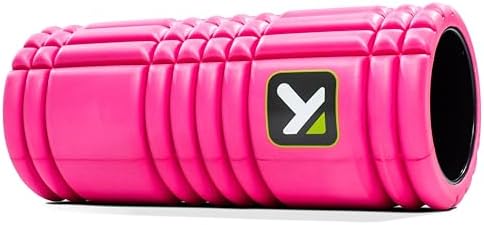
What to look for in a foam roller
Five design variables shape how a roller feels: density, surface, size, core construction, and extras such as vibration. Laboratory research on specific commercial models is sparse, so this section combines the limited evidence with practical design logic. One study found that two roller designs applied different amounts of pressure to soft tissue (Curran et al., 2008), which supports the idea that design details are not cosmetic.
Soft. Low-density foam compresses under body weight and spreads pressure over a wider area. It tends to feel forgiving on sore calves and quadriceps, which suits newcomers and rolling right after a hard session. Soft foam can lose its shape sooner with heavy daily use.
Medium. This is the most common choice for runners. It offers enough resistance to feel effective without turning every pass into an ordeal.
Firm and extra-firm. Dense foam or a rigid core concentrates pressure on a smaller area. Some experienced users prefer that feel, but it is easier to overdo. Because the benefits likely depend on how the nervous system responds to pressure and pain (Behm & Wilke, 2019), more intensity is not automatically better.
Smooth. A smooth surface delivers even pressure along the muscle and wipes clean easily. It is the sensible default for a first roller.
Textured. Ridges, grids, and knobs concentrate pressure into smaller contact points, closer to the feel of a massage tool. At the same body weight, a textured roller usually feels more intense than a smooth one of the same density, and different designs have been shown to load soft tissue differently (Curran et al., 2008). Runners who are unsure should start smooth and move to texture only if they want a more targeted feel.
Rollers are commonly sold at about 12, 18, 24, and 36 inches. Shorter models pack easily and work well for calves and quadriceps, one leg at a time. Longer models support both legs or the upper back at once and feel more stable, but they take up more storage space. Full-size rollers are typically around 5 to 6 inches in diameter, while compact and travel models are smaller.
The size guide below compares the four common lengths.
Solid molded foam (commonly EVA or EPP) is the usual entry point and comes in a wide range of densities. Hollow-core rollers wrap foam around a plastic tube. They hold their shape longer under repeated use, and some allow small items to be stored inside, but they tend to feel firmer. Before buying, check the manufacturer’s stated weight limit and look for a surface that can be wiped clean, especially if the roller is shared.
Battery-powered vibrating rollers add a motor and a higher price. The reviews cited in this article largely examined standard, non-vibrating rolling, so evidence that vibration adds benefit for runners is still limited. Buyers who enjoy the feel may still like them, but vibration is not a requirement for an effective roller.
Illustrative scale showing relative differences, not laboratory measurements. Actual feel varies by brand, body weight, and technique.
Roller types compared
| Type | Pressure feel | Best for | Trade-offs | Where to buy |
|---|---|---|---|---|
| Medium-density smooth roller | Moderate | Most runners; a first purchase | Less targeted than textured models | View options |
| Soft smooth roller | Gentle | Beginners and sensitive muscles | May soften with heavy daily use | View options |
| Textured or grid roller | Moderate to high | Experienced users who want localized pressure | Can feel intense; harder to clean | View options |
| Hollow-core firm roller | High | Durability; users who outgrow softer foam | Easy to overdo; often heavier | View options |
| Compact travel roller | Varies by density | Race trips and carry-on bags | Smaller contact area | View options |
| Vibrating roller | Varies by setting | Users who like a motorized feel | Higher cost, battery, limited evidence | View options |
Size guide
| Length | Typical use | Advantages | Trade-offs |
|---|---|---|---|
| 12 inches | Travel; calves and quadriceps one leg at a time | Fits in a gym bag | Small surface, less stable |
| 18 inches | Home use in tight spaces | Compact but usable for both legs | Less support for the back |
| 24 inches | All-around use | Good balance of stability and storage | Slightly bulky for travel |
| 36 inches | Both legs and the upper back together | Most stable platform | Hard to store or carry |
Find your match
Three quick questions narrow the options. The tool gives a roller type to shop for, not a medical recommendation, and it does not replace advice from a clinician.
How runners can use a foam roller
Talk to a professional first. The information below describes how researchers have studied foam rolling. It is not a personal prescription. The right exercise, intensity, and routine differ from person to person, so anyone with an injury, a medical condition, or persistent pain should ask a physician, physical therapist, or certified athletic trainer to tailor a plan.
Because studies used many different protocols, there is no single approved routine. The table organizes what the research does and does not say about common questions.
| Question | What the research shows | Source |
|---|---|---|
| Rolling before a run | Short-term gains in range of motion with no clear loss of performance. | Cheatham et al. (2015); Wilke et al. (2020) |
| Rolling after hard efforts | Associated with less soreness and better recovery of dynamic performance measures in the following days. | Pearcey et al. (2015); Wiewelhove et al. (2019) |
| Before or after: does it matter? | Preventive and regenerative rolling were equally effective at reducing fatigue-related impairments of muscle function. | Fleckenstein et al. (2017) |
| Regular use over weeks | Repeated rolling was associated with improved range of motion. | Konrad et al. (2022) |
| How long per muscle | No standard dose has been established; studies used a wide range of durations. | Cheatham et al. (2015) |
| Which muscles | Research has mostly examined lower-limb muscles such as the quadriceps, hamstrings, and calves. | Wiewelhove et al. (2019); Wilke et al. (2020) |
| How hard to press | Effects are likely linked to the nervous system’s response to pressure and pain, not to forcing tissue to change. | Behm & Wilke (2019) |
Most participants in these studies were healthy, active adults, not runners specifically.
A practical reading of this evidence: slow, controlled movement at a comfortable level of discomfort is consistent with how the research frames the effect, and rolling directly over joints or through sharp pain has no support as a way to get more benefit. The timer below is a convenience for counting seconds. The durations in the menu are examples, not recommendations, because the research has not settled on an optimal dose (Cheatham et al., 2015).
Example durations only. A professional can set the right amount for an individual runner.
Checklist before buying
0 of 6 checked
Frequently asked questions
Should runners foam roll before or after a run?
Both approaches have been studied. Short-term range-of-motion gains appear after rolling with no clear performance penalty (Cheatham et al., 2015; Wilke et al., 2020), and one study found that rolling before and after exercise was equally effective at reducing fatigue-related impairments of muscle function (Fleckenstein et al., 2017). Timing can follow personal preference and schedule.
Is a harder roller better?
Not necessarily. Firmer and textured rollers apply more localized pressure (Curran et al., 2008), but the likely mechanism involves how the nervous system responds to pressure and pain (Behm & Wilke, 2019). A roller that is too intense to tolerate is unlikely to be used consistently.
How long should a rolling session last?
No standard dose has been established, and studies used protocols that varied widely (Cheatham et al., 2015). A physical therapist or certified trainer can set a duration that fits the individual.
Does foam rolling break up scar tissue or fascia?
Researchers have argued that the effects more likely come from neurophysiological responses than from literally releasing or breaking up fascia (Behm & Wilke, 2019).
Can a foam roller treat a running injury?
No. A roller is a self-care tool and the research reviewed here concerns healthy participants. Pain that is sharp, persistent, or changes a runner’s stride should be evaluated by a physician or physical therapist.
Bottom line
For most runners, the right foam roller is a medium-density, smooth model in the 18 to 36 inch range, chosen for comfort and used consistently. Firmer, textured, hollow-core, and vibrating models exist for specific preferences, but none has been shown to outperform a roller the user actually tolerates. The research supports modest benefits for short-term flexibility and post-exercise soreness, and it leaves open how long, how hard, and how often runners should roll (Cheatham et al., 2015; Wiewelhove et al., 2019).
Readers building a recovery kit can browse more options in Recovery Tools, part of our Gear & Equipment section.
Disclaimer. This article is for general information and is not medical advice. It does not diagnose, treat, or prevent any condition. Consult a qualified healthcare professional before starting any exercise or recovery routine, especially with an injury, a medical condition, or persistent pain.
References
Behm, D. G., & Wilke, J. (2019). Do self-myofascial release devices release myofascia? Rolling mechanisms: A narrative review. Sports Medicine, 49(4), 487–503. https://doi.org/10.1007/s40279-019-01074-0
Cheatham, S. W., Kolber, M. J., Cain, M., & Lee, M. (2015). The effects of self-myofascial release using a foam roll or roller massager on joint range of motion, muscular recovery, and performance: A systematic review. International Journal of Sports Physical Therapy, 10(6), 827–838.
Curran, P. F., Fiore, R. D., & Crisco, J. J. (2008). A comparison of the pressure exerted on soft tissue by 2 myofascial rollers. Journal of Sport Rehabilitation, 17(4), 432–442. https://doi.org/10.1123/jsr.17.4.432
Fleckenstein, J., Wilke, J., Vogt, L., & Banzer, W. (2017). Preventive and regenerative foam rolling are equally effective in reducing fatigue-related impairments of muscle function following exercise. Journal of Sports Science & Medicine, 16(4), 474–479.
Konrad, A., Nakamura, M., Tilp, M., Donti, O., & Behm, D. G. (2022). Foam rolling training effects on range of motion: A systematic review and meta-analysis. Sports Medicine, 52(10), 2523–2535. https://doi.org/10.1007/s40279-022-01699-8
Pearcey, G. E. P., Bradbury-Squires, D. J., Kawamoto, J.-E., Drinkwater, E. J., Behm, D. G., & Button, D. C. (2015). Foam rolling for delayed-onset muscle soreness and recovery of dynamic performance measures. Journal of Athletic Training, 50(1), 5–13. https://doi.org/10.4085/1062-6050-50.1.01
Wiewelhove, T., Döweling, A., Schneider, C., Hottenrott, L., Meyer, T., Kellmann, M., Pfeiffer, M., & Ferrauti, A. (2019). A meta-analysis of the effects of foam rolling on performance and recovery. Frontiers in Physiology, 10, Article 376. https://doi.org/10.3389/fphys.2019.00376
Wilke, J., Müller, A.-L., Giesche, F., Power, G., Ahmedi, H., & Behm, D. G. (2020). Acute effects of foam rolling on range of motion in healthy adults: A systematic review with multilevel meta-analysis. Sports Medicine, 50(2), 387–402. https://doi.org/10.1007/s40279-019-01205-7
Affiliate Disclosure: This website contains affiliate links. We may earn a commission when you purchase products through links on our site, at no additional cost to you. As an Amazon Associate I earn from qualifying purchases.
Learn more